Tracklist on next page







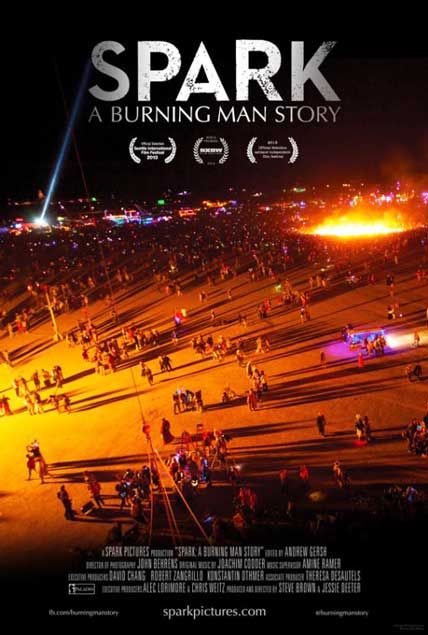
Each year, 60,000 people from around the globe gather in a dusty windswept Nevada desert to build a temporary city, collaborating on large-scale art and partying for a week before burning a giant effigy in a ritual frenzy. Rooted in principles of self-expression, self-reliance and community effort, Burning Man has grown famous for stirring ordinary people to shed their nine-to-five existence and act on their dreams. Spark takes us behind the curtain with Burning Man organizers and participants, revealing a year of unprecedented challenges and growth. When ideals of a new world based on freedom and inclusion collide with realities of the “default world,” we wonder which dreams can survive.
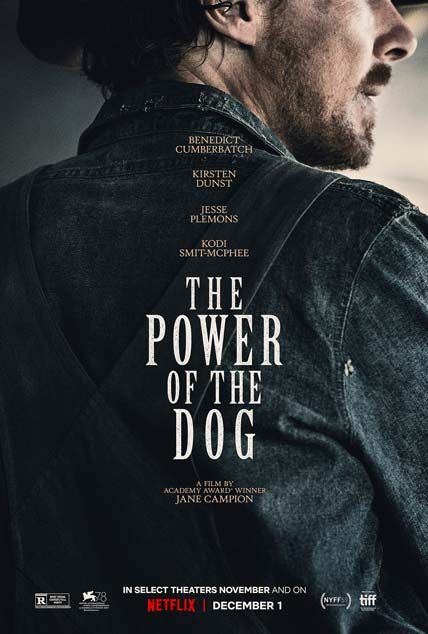
Severe, pale-eyed, handsome, Phil Burbank is brutally beguiling. All of Phil’s romance, power and fragility is trapped in the past and in the land: He can castrate a bull calf with two swift slashes of his knife; he swims naked in the river, smearing his body with mud. He is a cowboy as raw as his hides. The year is 1925. The Burbank brothers are wealthy ranchers in Montana. At the Red Mill restaurant on their way to market, the brothers meet Rose, the widowed proprietress, and her impressionable son Peter. Phil behaves so cruelly he drives them both to tears, revelling in their hurt and rousing his fellow cowhands to laughter – all except his brother George, who comforts Rose then returns to marry her. As Phil swings between fury and cunning, his taunting of Rose takes an eerie form – he hovers at the edges of her vision, whistling a tune she can no longer play. His mockery of her son is more overt, amplified by the cheering of Phil’s cowhand disciples. Then Phil appears to take the boy under his wing. Is this latest gesture a softening that leaves Phil exposed, or a plot twisting further into menace?